What’s the Best Way to Winterize Your Home’s Plumbing?
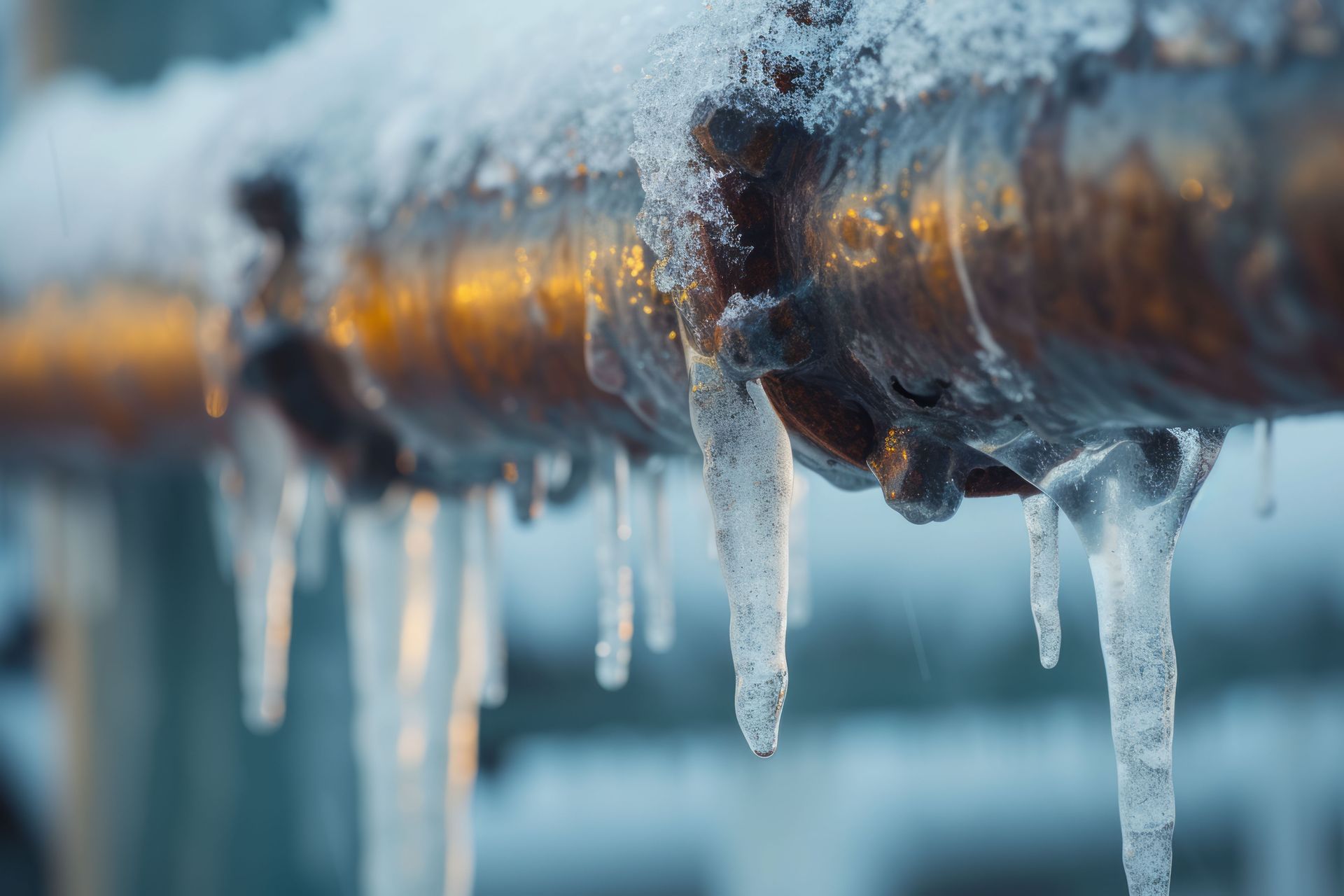
As temperatures drop, preparing your plumbing system for winter becomes essential. Failing to properly winterize can lead to frozen pipes, burst pipes, and costly water damage. Understanding the best way to winterize your home’s plumbing helps homeowners protect their property, maintain water flow, and avoid emergency repairs during the coldest months.

Insulate Exposed Pipes
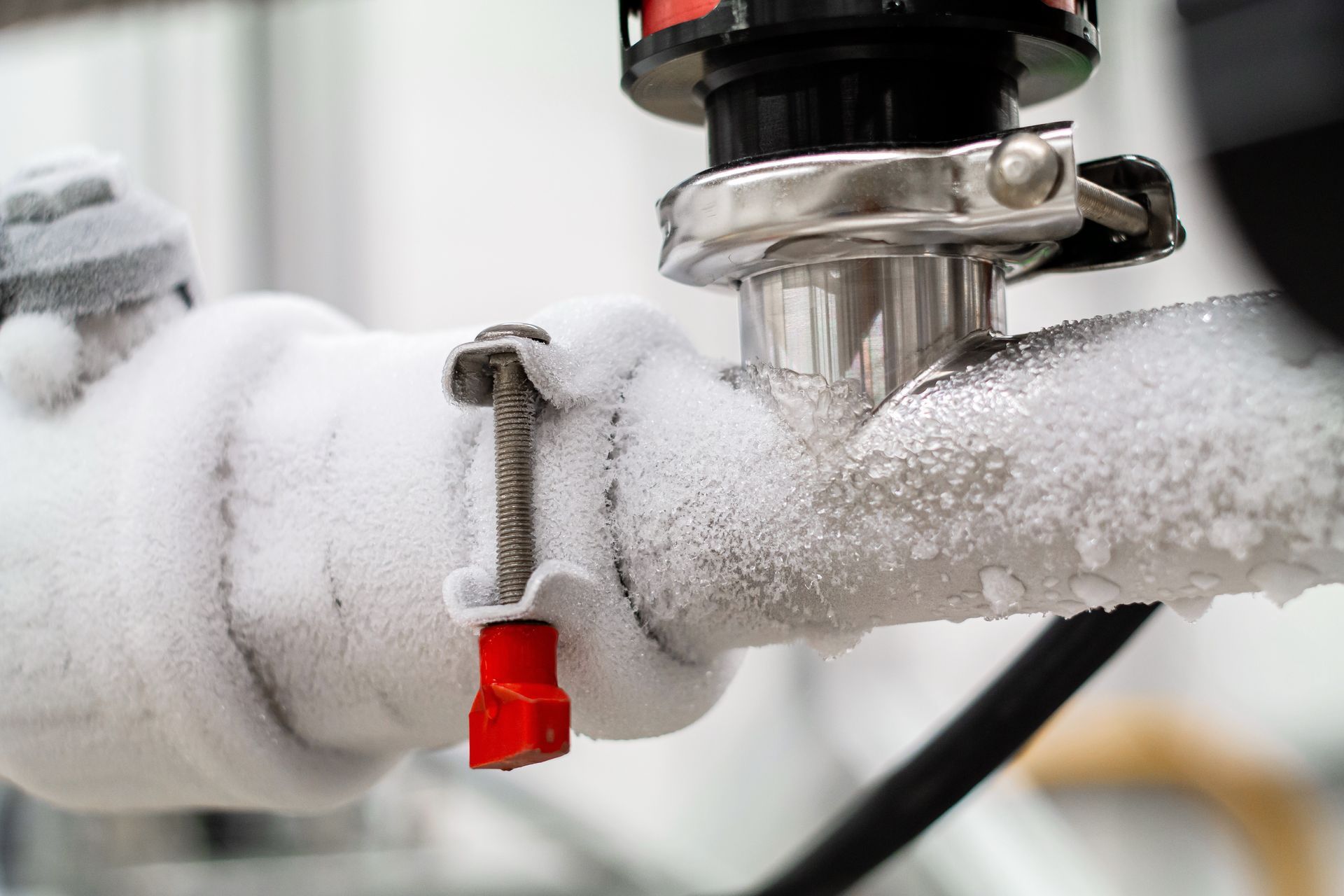
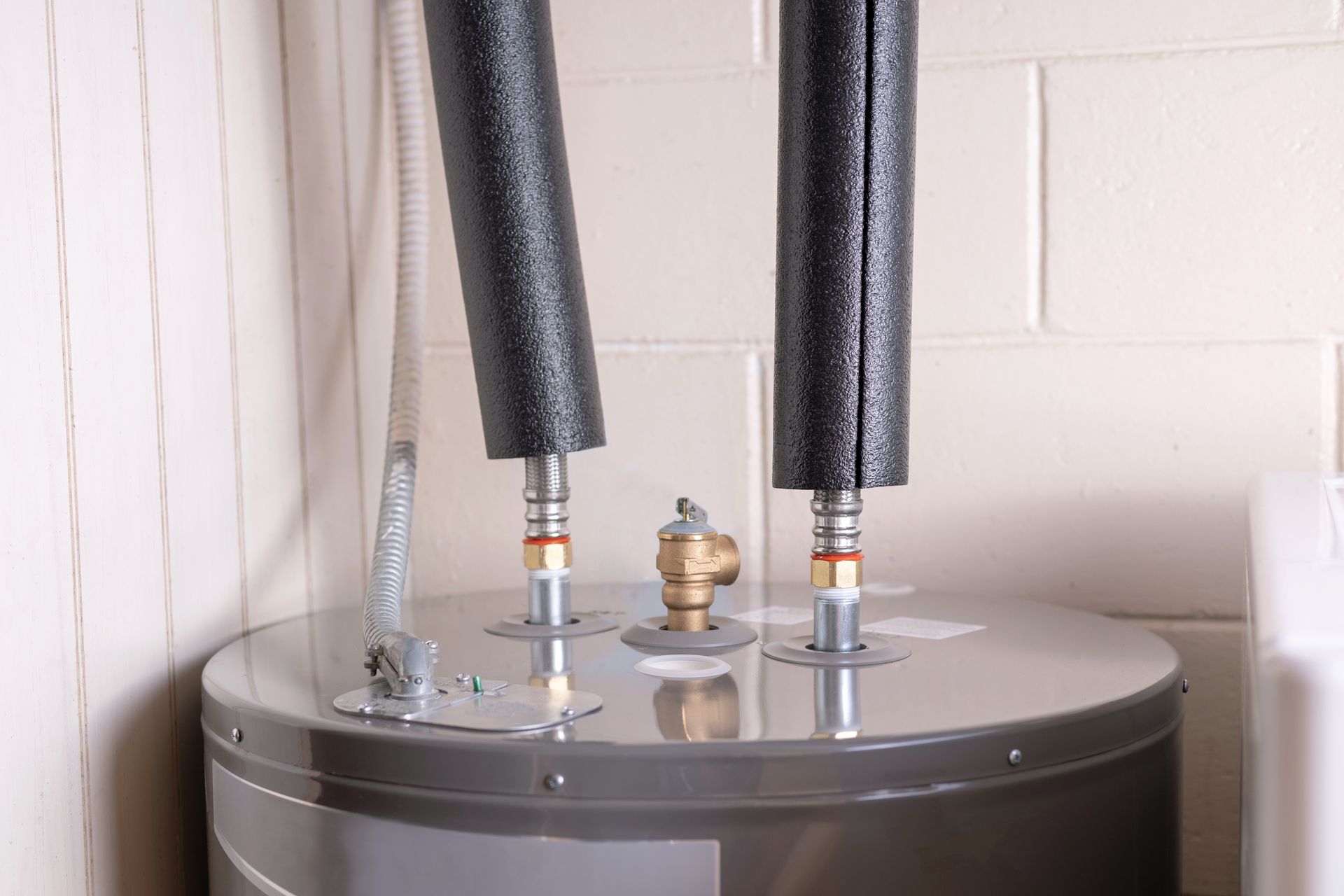
One of the most effective steps in winterizing plumbing is insulating exposed pipes. Pipes located in basements, crawl spaces, garages, and exterior walls are especially vulnerable to freezing.
Using pipe insulation or heat tape helps maintain consistent temperatures and reduces the risk of frozen plumbing pipes.
Drain and Shut Off Outdoor Faucets
Outdoor plumbing is often the first area to freeze. Disconnecting hoses, shutting off exterior water lines, and draining remaining water from faucets prevents ice expansion inside pipes.
This step is critical for preventing burst pipes caused by trapped water freezing behind walls.
Seal Gaps and Air Leaks
Cold air entering through cracks near pipes can quickly cause freezing. Sealing gaps around windows, doors, and foundation openings helps maintain indoor warmth.
Improving insulation around plumbing access points supports long term pipe freeze prevention.
Keep a Steady Indoor Temperature
Maintaining a consistent indoor temperature is a simple but effective part of winter plumbing maintenance. Avoid lowering the thermostat too much at night or when away from home.
Even modest heat helps prevent pipes from freezing during prolonged cold spells.
Let Faucets Drip During Extreme Cold
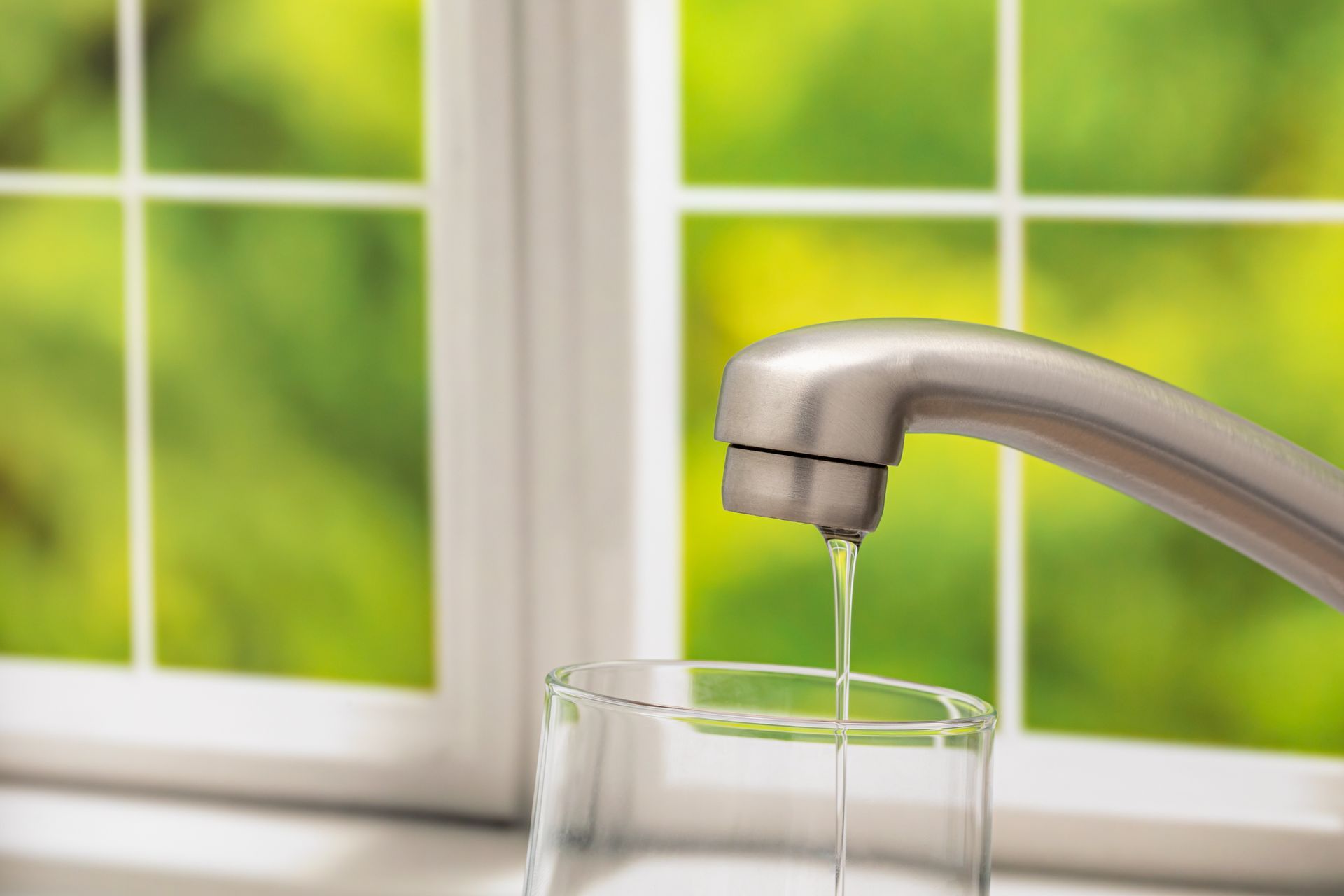
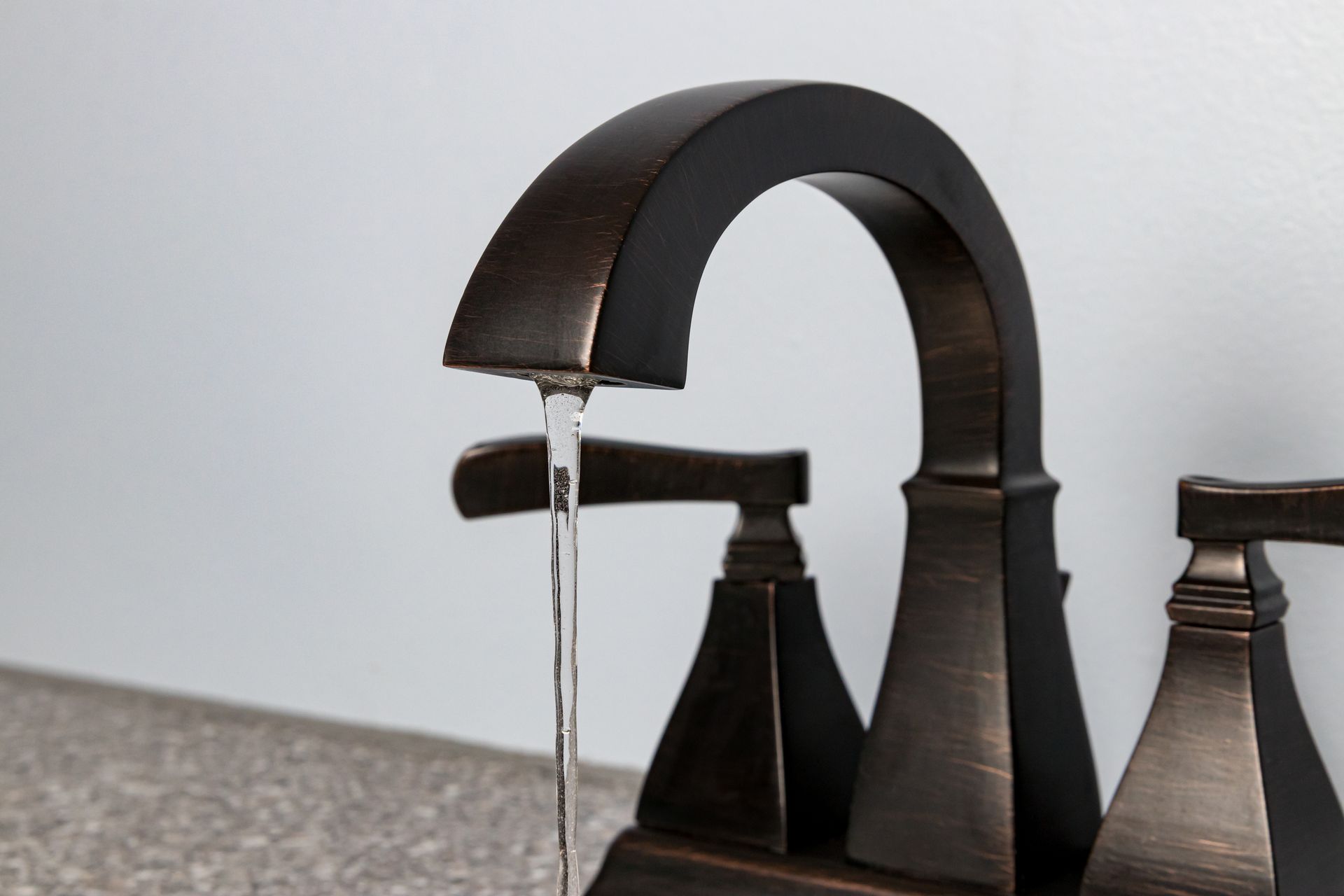
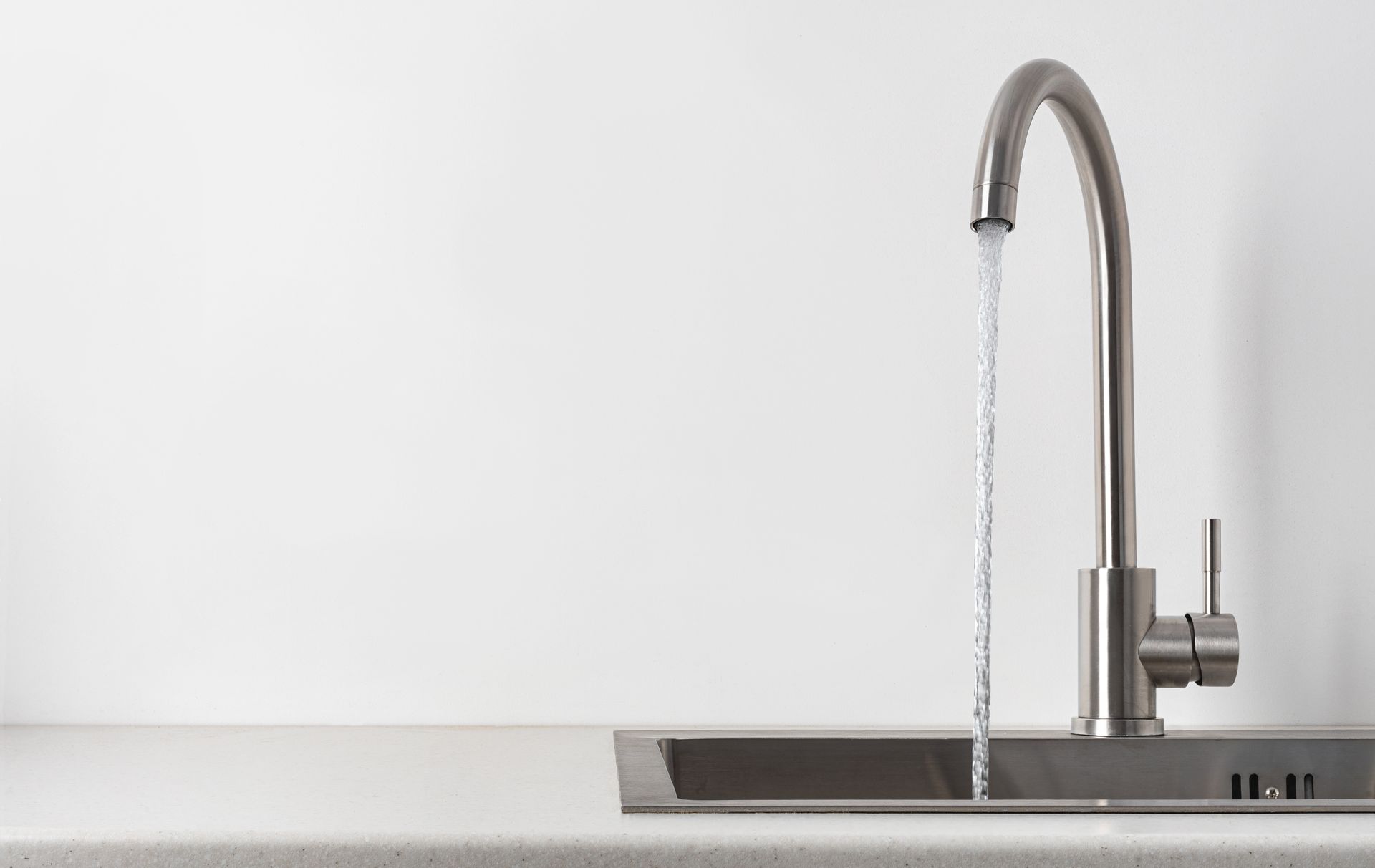
Allowing faucets to drip slightly during extreme temperatures keeps water moving through pipes. This reduces pressure buildup and lowers the chance of freezing.
Dripping faucets are especially helpful for plumbing located along exterior walls.
Know Where Your Main Water Shutoff Is
In case a pipe freezes or bursts, knowing the location of your main water shutoff allows you to act quickly. Shutting off water immediately minimizes damage and cleanup costs.
This step is a key part of responsible home plumbing winterization.
Schedule a Professional Plumbing Inspection
A professional inspection can identify weak points in your plumbing system before winter sets in. Early detection of aging pipes, poor insulation, or pressure issues helps prevent emergency repairs.
Working with Pleasant Valley Plumber ensures your system is prepared for winter conditions with expert care and attention.
Conclusion
The best way to winterize your home’s plumbing involves insulation, outdoor faucet protection, sealing air leaks, maintaining indoor heat, and proactive planning. These steps reduce the risk of frozen pipes, burst pipes, and winter water damage. For professional inspections and dependable winter plumbing services, Pleasant Valley Plumber provides trusted solutions to keep your home protected all season long.