Well System Maintenance: Ensuring Your Pump and Pressure Tank Last

April 14, 2026

A private well system is a reliable way to supply your home with clean water, but it requires regular care to keep everything running smoothly. Without proper maintenance, key components like your well pump and pressure tank can wear out faster, leading to costly repairs and inconvenient water issues.


By staying proactive with well system maintenance, homeowners can extend the lifespan of their equipment, maintain water pressure, and avoid unexpected breakdowns.

How a Well System Works

Understanding your system makes it easier to maintain.

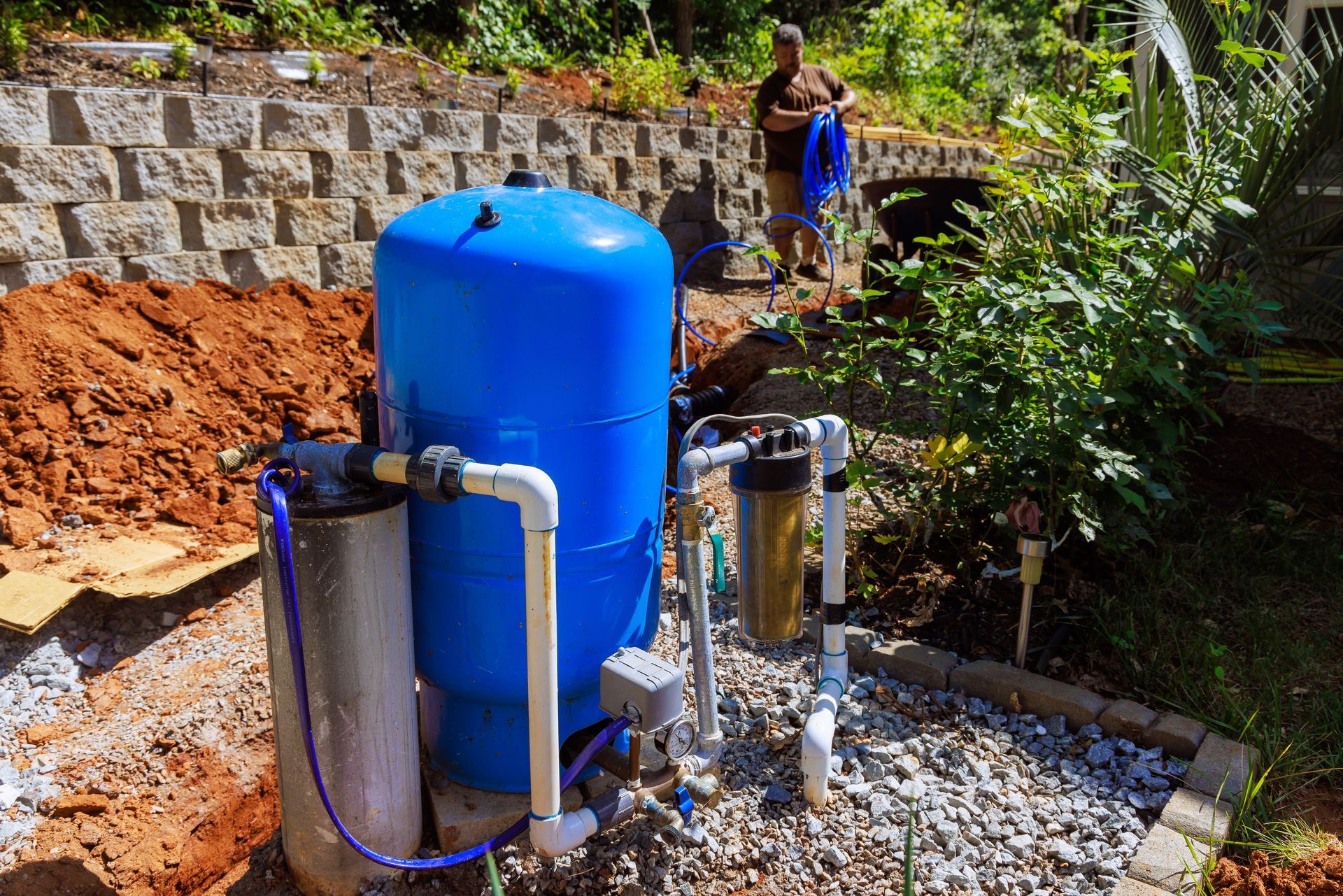
A typical well water system includes:

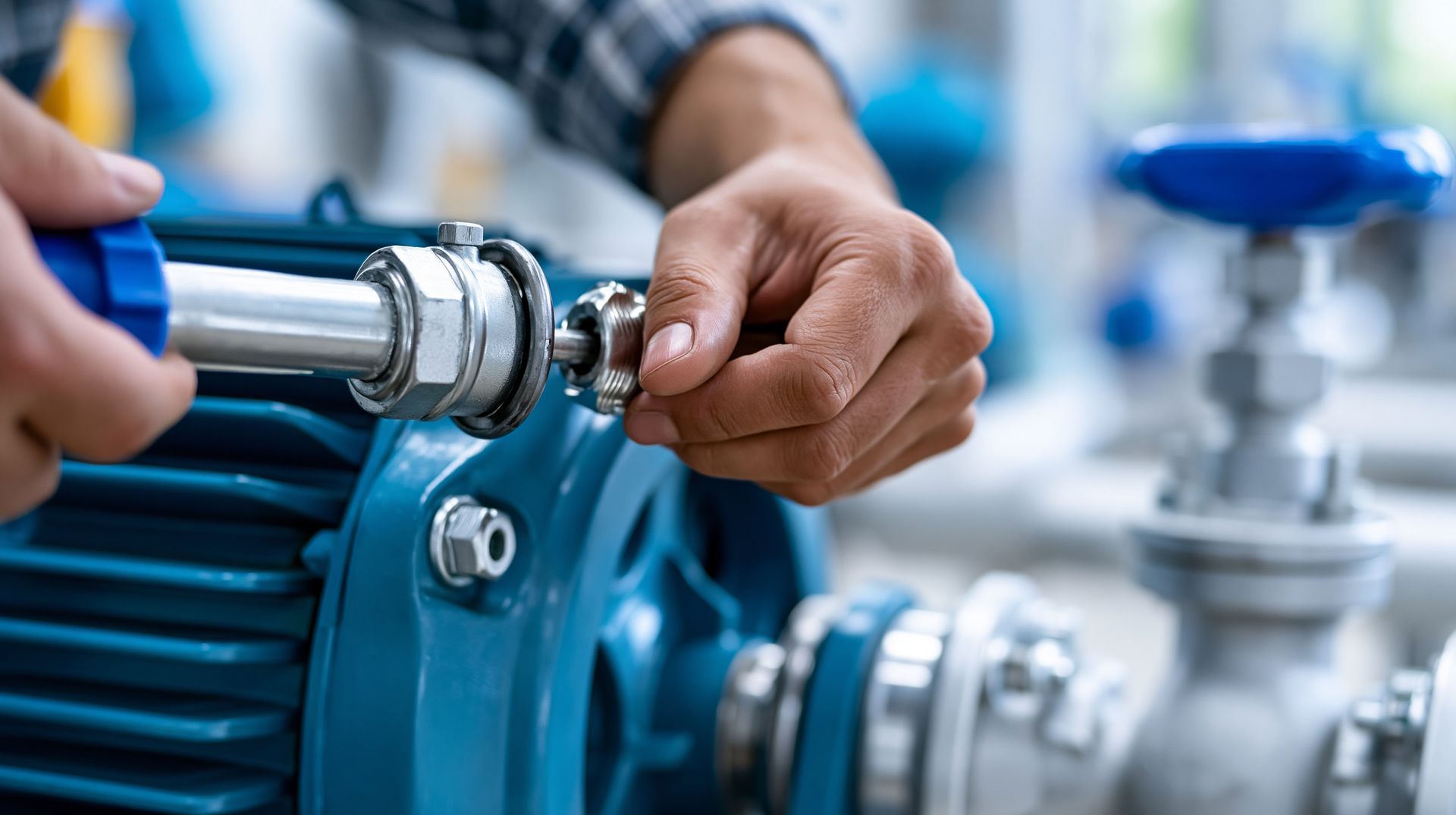
  • A well pump that draws water from the ground
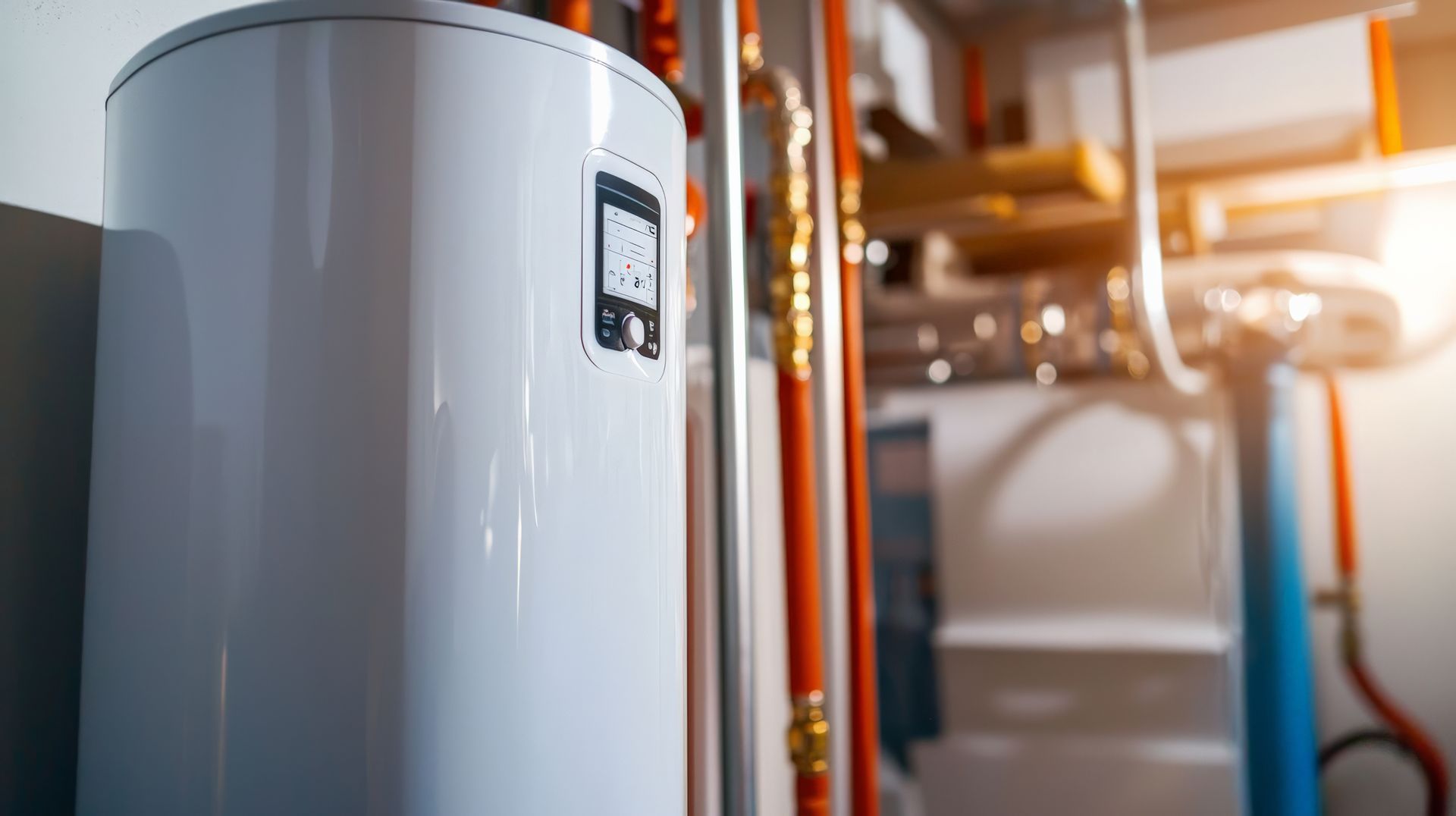
  • A pressure tank that stores and regulates water pressure
  • Plumbing connections that deliver water throughout your home

Each part works together to provide consistent water flow and pressure.


Why Regular Well Maintenance Is Important

Routine well maintenance helps prevent small issues from turning into major failures.


Benefits include:

  • Extending the life of your well pump
  • Maintaining consistent water pressure
  • Preventing system breakdowns
  • Protecting water quality

Regular care keeps your system efficient and reliable.


Maintaining Your Well Pump

Your well pump is the heart of your system, and keeping it in good condition is essential.


Signs of Pump Issues

  • Fluctuating water pressure
  • Strange noises
  • Air in the water lines
  • Increased energy bills


Maintenance Tips

  • Schedule regular inspections
  • Monitor system performance
  • Address issues early

Catching problems early can prevent complete pump failure.


Caring for Your Pressure Tank

The pressure tank plays a critical role in regulating water flow and reducing strain on your pump.


Common Pressure Tank Problems

  • Rapid cycling (turning on and off frequently)
  • Loss of air pressure
  • Inconsistent water pressure


Maintenance Tips

  • Check air pressure levels
  • Inspect for leaks or corrosion
  • Ensure proper tank sizing and setup

Proper maintenance helps prevent unnecessary wear on your pump.


Preventing Common Well System Issues

Taking preventative steps can significantly reduce the risk of system failure.


Key actions include:

  • Testing water quality regularly
  • Keeping the well area clean and protected
  • Checking electrical components
  • Monitoring system performance

These steps help maintain both safety and efficiency.


How Often Should You Service Your Well System?

Routine service is essential for long-term performance.


Recommended schedule:

  • Annual system inspection
  • Regular water testing
  • Immediate service when issues arise

Consistent maintenance ensures your system continues to function properly.


Warning Signs Your Well System Needs Attention

Knowing when to call a professional can save you from bigger problems.


Watch for:

  • Sudden drop in water pressure
  • Discolored or cloudy water
  • Unusual noises from the pump
  • Frequent cycling of the pressure tank

These signs indicate your system may need repair or adjustment.


Extend the Life of Your Well System

Your well system is a long-term investment, and proper care makes all the difference. By focusing on well pump maintenance and pressure tank care, you can keep your system running efficiently for years to come.


Pleasant Valley Plumber provides expert well system services to help homeowners maintain reliable water systems, prevent breakdowns, and ensure consistent performance.
  • How long does a well pump last?

    A well pump typically lasts 8 to 15 years depending on usage and maintenance.

  • What does a pressure tank do?

    A pressure tank stores water and maintains consistent pressure throughout your home.

  • What causes low water pressure in a well system?

    It can be caused by pump issues, pressure tank problems, or plumbing leaks.

  • What causes low water pressure in a well system?

    It can be caused by pump issues, pressure tank problems, or plumbing leaks.

  • Can regular maintenance prevent well system failure?

    Yes, routine well system maintenance helps identify and fix issues before they lead to major problems.


A dark, bronze-colored bathroom faucet with two handles, running a thin stream of water against a light grey wall.
March 16, 2026
Discover the top reasons for low water pressure in your home and how professional plumbing services can restore strong water flow.
Stainless steel faucet with running water over a sink, against a white background.
February 1, 2026
Discover the best kitchen faucets for 2026, including smart, touchless, and pull down options for upgrading your sink this spring.
Close-up of a chrome faucet with a large water droplet suspended below the spout.
January 6, 2026
Learn the best way to winterize your home’s plumbing to prevent frozen pipes, burst pipes, and costly winter water damage.
Frost-covered pipes with a red safety handle and metal clamp attached to equipment.
December 9, 2025
Learn the top warning signs of a frozen pipe, including reduced water flow, frost buildup, unusual noises, swelling, and blocked drain odors.
Icy pipes with icicles, likely outside during winter.
November 12, 2025
Learn what to do if a pipe freezes in your home and how Pleasant Valley Plumber can help prevent costly winter plumbing damage.
October 20, 2025
Why Water Temperature Fluctuates in Winter When the cold weather hits, many homeowners notice sudden changes in water temperature —especially when running showers or using multiple fixtures at once. The problem often lies in your plumbing system’s water heater performance and overall demand during colder months. At Pleasant Valley Plumber , we help homeowners across Northeast Pennsylvania keep their water heaters , pipes, and plumbing systems running efficiently all year long. Common Causes of Temperature Inconsistency 1. Cold Incoming Water Supply In winter, the water entering your home’s pipes is significantly colder. This makes your water heater work harder to reach the desired temperature, which can lead to fluctuating hot water or lukewarm output. 2. Sediment Buildup in Your Water Heater Over time, mineral deposits and sediment collect in the tank, especially in homes with hard water. This buildup acts as insulation, making it harder for the heating elements to warm the water properly. Scheduling regular water heater maintenance or flushing the tank can restore heating efficiency and improve temperature consistency . 3. Water Heater Size or Capacity Issues If your water heater is undersized , it may not keep up with household demand in winter. For example, running the dishwasher and shower simultaneously can quickly deplete the tank. Upgrading to a larger tank or a tankless water heater ensures a continuous supply of hot water, no matter how cold it gets outside. 4. Faulty Mixing Valves or Thermostats If you experience sudden bursts of hot or cold water, your mixing valve or thermostat may be malfunctioning. These components regulate temperature by blending hot and cold water. A simple replacement or calibration can solve this issue quickly.
Leaking plumbing pipes connected to a white fixture, water spraying.
September 4, 2025
Learn what to do during a plumbing emergency. Discover steps to stop leaks, prevent damage, and contact a reliable emergency plumber in Monroe County, PA.
Bathroom sink with brushed nickel faucet, light speckled countertop, and wooden mirror frame.
August 13, 2025
Keep your plumbing fixtures in top shape with simple maintenance tips. Prevent leaks and clogs for a smoothly running plumbing system. Contact us today!
A person is fixing a pipe under a sink.
July 10, 2025
Explore the best materials for pipe replacement, from PEX to copper and PVC. Learn how to choose the right option for your plumbing needs. Contact us today!
A black and white photo of a faucet with a drop of water coming out of it
June 6, 2025
Learn how to detect a hidden water leak in your home. Check your water meter, watch for damage, and contact Pleasant Valley Plumber for expert leak detection services.