Fixing a Clogged Kitchen Sink Drain: Why Chemical Cleaners Break Down Your Internal Metal Pipes
A slow or completely blocked kitchen basin can quickly disrupt daily life. Whether wastewater is draining sluggishly after washing evening dishes or backing up entirely into your basin, most property owners want the issue resolved as quickly as possible. As a result, many people make the instinctive mistake of reaching for a bottle of harsh liquid store products, hoping for a fast and inexpensive fix.
While these caustic liquid treatments often promise immediate results, they routinely create structural liabilities that extend far beyond the original blockage. In a massive percentage of residential scenarios, repeated reliance on store-bought liquids directly causes pipe wall thinning, structural degradation, and extensive system leaks. This is especially true in older properties featuring complex metal plumbing networks. Understanding how these reactive chemical formulas interact with your drainage lines is the first step in making smart maintenance decisions when troubleshooting a stubborn clogged kitchen sink drain.

Why Kitchen Sink Drains Deal with Frequent Blockages
Your kitchen waste lines process a highly unique and complex slurry of household debris every single day. Unlike bathroom plumbing lines that primarily manage soft hair strands and thin soap precipitates, kitchen wastewater carries heavy, dense food waste and cohesive organic binders down your system.
Over months of continuous cooking use, a variety of everyday culinary leftovers accumulate along your line. The primary culprits behind a severe clogged kitchen sink drain include:
- Fats, Oils, and Grease (FOG): Hot liquid grease poured down the sink cools rapidly inside the cold subsurface pipes, solidifying into an unyielding, waxy glue.
- Fibrous and Starchy Food Waste: Pasta leftovers, raw potato skins, rice grains, and sticky coffee grounds catch on the grease layer, building a dense plug.
- Saponified Soap Residue: Dish soaps interact with tap minerals to create an insoluble curd that permanently lines the pipe walls.
When these materials bond inside the line, they systematically narrow the pipe's internal diameter. Simply pushing a small hole through the soft center of the blockage leaves the perimeter intact, allowing new food particles to catch and trigger recurring failures almost immediately.
The Hostile Chemical Reaction: How Liquid Cleaners Operate
Most commercial chemical drain clearers rely on extremely reactive, high-pH alkaline ingredients (like sodium hydroxide or lye) or aggressive acids (like sulfuric acid). These formulas are designed to dissolve organic material by triggering intense, localized chemical reactions. When poured down a blocked line, the chemical sits directly on the debris plug to eat through fats, soften starches, and liquefy hair.
However, the primary mechanism these chemicals use to break down a clog—an intense, heat-generating chemical reaction known as an exothermic reaction—is exactly what causes catastrophic damage to your home's infrastructure. These formulas generate prolonged, boiling heat directly inside your enclosed plumbing lines. This extreme thermal energy was never intended to touch your wastewater pipes, and the resulting stress can instantly deform thin plastic fittings, degrade rubber sealing gaskets, and chemically oxidize metal connections.
Why Legacy Metal Plumbing Is Vulnerable to Chemical Corrosion
While modern PVC lines can warp and soften from the heat of a chemical cleaner, older metal plumbing infrastructure faces a much more severe threat: direct chemical oxidation. Many classic homes throughout the region feature robust legacy lines built from galvanized steel, cast iron, copper, or brass. These materials are highly susceptible to the corrosive, acid-stripping properties of commercial liquid clearers.
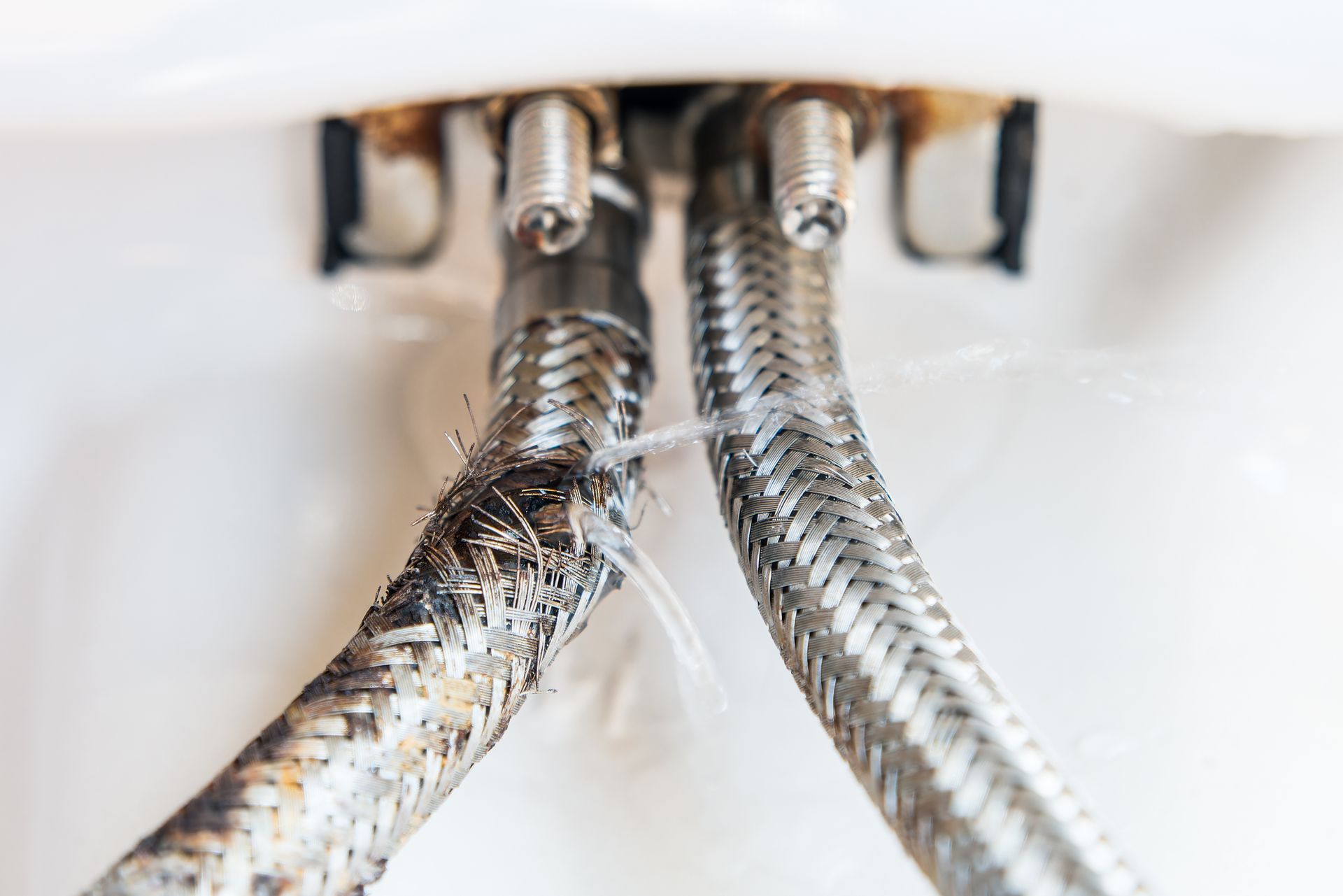
When caustic chemicals pool inside a metal system due to a slow-draining line, they do not just eat away at the grease plug. The acids systematically strip the protective zinc coating from galvanized steel and dissolve the interior walls of cast iron. This chemical etching leaves the inside of your pipes rough, jagged, and highly vulnerable to catching future food debris. Over multiple applications, this progressive corrosion thins the metal walls until a structural breach occurs, resulting in hidden sewer leaks inside your walls and crawlspaces that demand extensive plumbing repair interventions.
Why Liquid Treatments Fail to Provide a Long-Term Solution
The underlying reason why property owners experience recurring kitchen sink clogs despite using a bottle of chemical cleaner comes down to a fundamental design limitation. Heavy chemical liquids rely entirely on gravity. When poured into a clogged drain, the liquid follows the path of least resistance, eating a tiny, narrow channel through the softest part of the food blockage before draining away down the sewer line.
This means the primary, structural ring of hardened grease and compacted food scraps remains completely anchored to the inner pipe walls. The underlying mechanical restriction is never actually extracted from the home's system. Within a matter of weeks, the tiny channel closes back up as fresh grease and food debris stick to the remaining waxy residue. This traps property owners in a frustrating, repetitive cycle of purchasing products while their overall drainage performance steadily gets worse.
The Professional Advantage: Precision Mechanical Extraction
When a kitchen line develops persistent, recurring backups, it means your waste system requires advanced mechanical clearing rather than superficial chemical dissolving. Opting for professional drain cleaning services replaces harsh chemical guesswork with absolute clinical precision, restoring the full factory-clear inner diameter of your home's infrastructure without risking your pipes.
Licensed plumbers utilize advanced mechanical diagnostic tools to resolve your drainage issues permanently. Technicians can thread high-definition sewer cameras directly into the line to inspect your pipe walls, identify corrosion points, and locate the exact center of a dense grease plug. To clear the system safely, professionals deploy heavy-duty mechanical augers or utilize high-pressure hydro jetting equipment. Hydro-jetting sends concentrated streams of pressurized water through the lines to strip away decades of hardened grease and soap residue, flushing the debris safely out to the main sewer line without placing structural strain on your system.
Protect Your Residential Plumbing with Pleasant Valley Plumber
A fully functional, free-flowing drain network is a critical foundation of a sanitary home environment. Relying on caustic chemical pour routines or repeatedly clearing the same line with store-bought liquids will not remove the deep-set grease blankets or calcified food plugs that are driving your chronic plumbing failures. True, long-term system health demands professional mechanical extraction from an experienced local expert.
At Pleasant Valley Plumber, we are dedicated to delivering top-tier drain cleaning and preventative infrastructure care throughout the community. Our elite team of fully licensed technicians is equipped with advanced plumbing tools to thoroughly scour your kitchen lines, clear out stubborn sludge, and inspect your pipe walls to protect your property's value. Stop fighting the same sluggish line every time you wash dishes. Reclaim your home’s peace of mind—schedule a precision drain cleaning appointment with our plumbing specialists today, or check out our comprehensive plumbing maintenance plans to keep your lines running at peak performance all season long.
Why are chemical drain cleaners considered hazardous to household plumbing pipes?
Chemical cleaners rely on caustic alkaline or acid formulations that trigger high-heat exothermic reactions inside your plumbing. This extreme localized heat can easily warp and soften plastic PVC lines, dissolve rubber gaskets, and cause severe chemical corrosion along the interior walls of metal piping.
What is the primary reason my clogged kitchen sink drain keeps returning?
Liquid chemical solutions typically melt a tiny, narrow pathway through the softest area of a clog before washing down the sewer line. This leaves the primary outer ring of solidified grease and food residue attached to your pipe walls, allowing new debris to catch and rebuild the clogged drain almost immediately.
Can chemical clearers cause permanent structural damage to older cast-iron systems?
Yes, absolutely. Caustic liquid chemicals chemically etch the interior of cast iron and galvanized steel lines, stripping away vital protective finishes. This chemical corrosion weakens and thins the metal pipe walls over time, leading to major subsurface leaks and broken connections.
How does professional hydro jetting outperform standard DIY store remedies?
DIY store remedies attempt to chemically dissolve a small hole in a clog, while professional hydro jetting uses high-precision nozzles to blast water into your lines at thousands of PSI. This process acts like an industrial pressure washer, scrubbing away all hardened grease, food sludge, and soap scum to clean your pipes completely.
What are the absolute safest daily habits to prevent kitchen sink clogs from forming?
The most effective way to prevent a blockage is to never pour cooking oils, animal fats, or grease down your sink. Additionally, install fine-mesh stainless-steel sink strainers to catch small food scraps, flush your lines with boiling water weekly, and schedule a professional maintenance clean every few years.