What Are the Warning Signs of a Frozen Pipe?

December 9, 2025

Frozen pipes are one of the most common winter plumbing emergencies, and they can cause extensive water damage if not addressed quickly. When temperatures fall, the water inside your plumbing system can freeze, expand, and place intense pressure on the pipe walls. Knowing the early warning signs of a frozen pipe helps homeowners take fast action before a burst occurs. Recognizing these symptoms can save time, prevent costly repairs, and keep your home safe during freezing weather.

Little or No Water Flow

One of the first indicators of a frozen pipe is significantly reduced water pressure. If only a small trickle comes from your faucet or tap, it often means ice is restricting the flow inside the pipe. This is especially common in areas close to exterior walls, basements, crawl spaces, and unheated rooms. Monitoring winter plumbing problems early helps reduce the risk of further damage.


Frost on the Outside of the Pipe

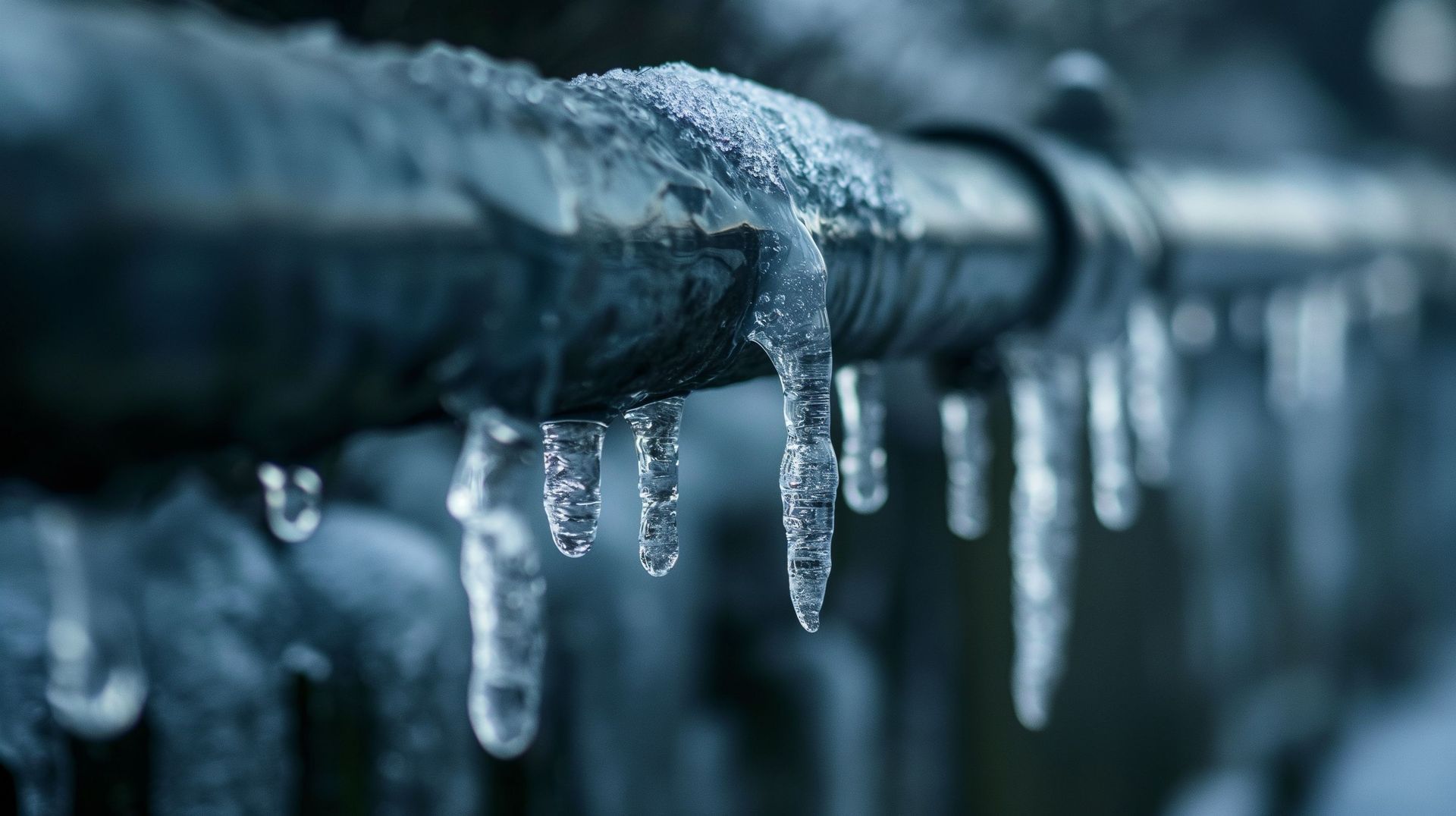
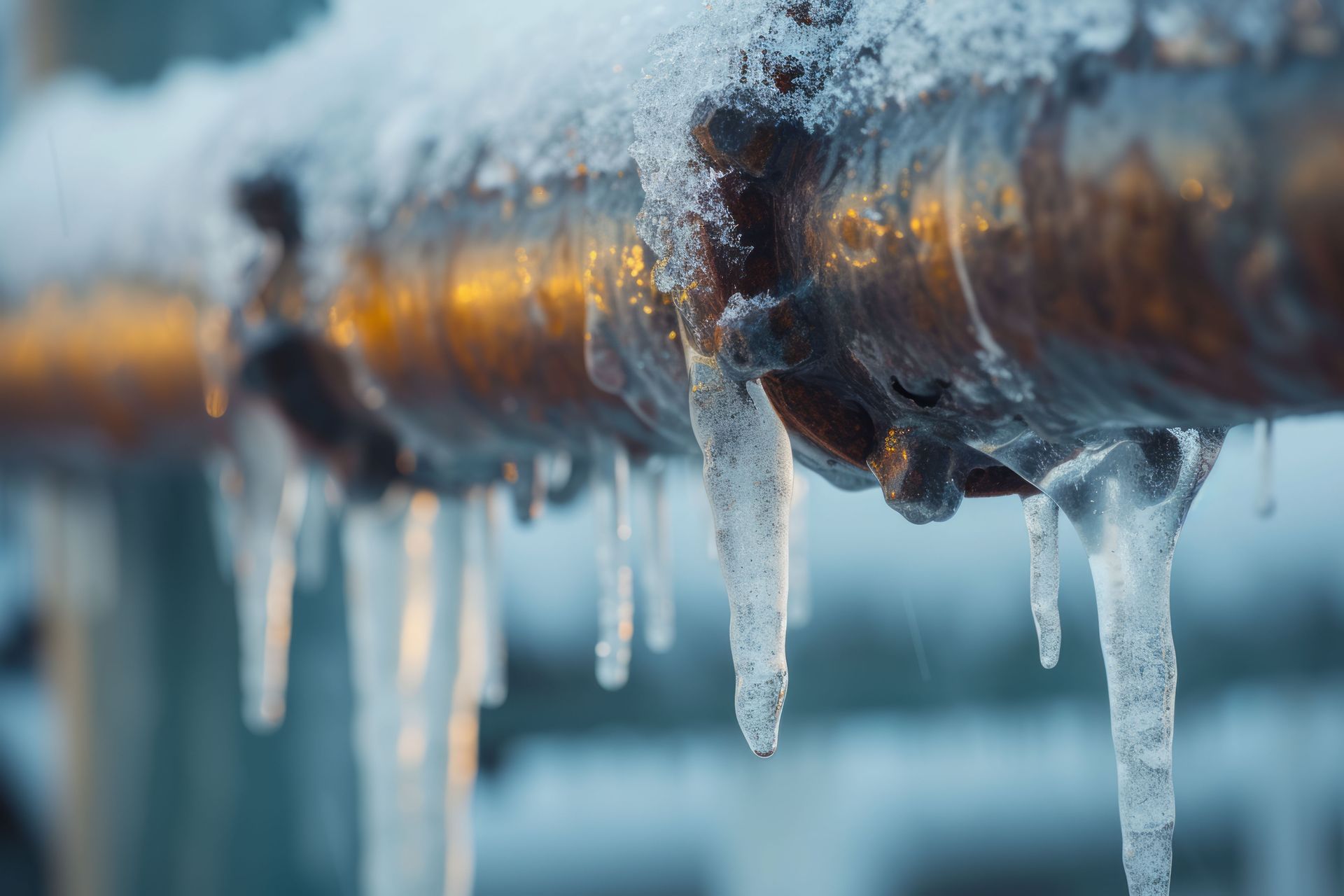
If you can see frost forming on the pipe’s exterior, there is a strong chance the inside has already started freezing. Frost buildup typically occurs in exposed plumbing or areas without proper insulation. This visual sign is one of the clearest indications that a pipe is at risk of bursting.


Unusual Sounds in the Plumbing System

Strange noises such as banging, clanking, or gurgling can signal that water is struggling to move past an icy blockage. These sounds happen as pressure builds behind the frozen section. Paying attention to these noises can help you catch frozen pipe issues before they escalate.


Visible Bulging or Swelling in the Pipe

As water freezes, it expands and increases internal pressure. This can cause the pipe to bulge, bend, or deform. Swelling is a serious warning sign that the pipe is close to bursting and requires immediate attention from a professional plumber.


Unpleasant Odors Coming From Drains

If a pipe is frozen, the blockage may trap odors that would normally escape through your plumbing system. This causes foul smells to rise through sinks, drains, or tubs. When this happens during extremely cold weather, it is often linked to frozen drain pipes or vent pipes.


No Water at All

When a pipe freezes completely, water flow stops entirely. This is the most severe early warning sign. If multiple taps stop working, the frozen section may be located near your main supply line, requiring urgent professional assistance.


Where Frozen Pipes Are Most Likely to Occur

Exterior Walls

Pipes in poorly insulated walls freeze quickly during cold snaps.


Basements and Crawl Spaces

Unheated spaces create the perfect environment for freezing.


Attics

Cold air and low insulation make attic plumbing vulnerable.


Garages and Utility Rooms

Pipes near exterior doors or drafty areas often freeze first.

Knowing these locations helps you check your plumbing more effectively during winter.


Conclusion

Recognizing the early warning signs of a frozen pipe can help prevent major water damage and costly repairs. Little or no water flow, frost buildup, unusual noises, swelling, or foul odors are all indicators that require fast action. For expert frozen pipe inspections, emergency plumbing service, and winter plumbing protection, Pleasant Valley Plumber is here to keep your home safe all season long.

Close-up of a chrome faucet with a large water droplet suspended below the spout.
January 6, 2026
Learn the best way to winterize your home’s plumbing to prevent frozen pipes, burst pipes, and costly winter water damage.
Icy pipes with icicles, likely outside during winter.
November 12, 2025
Learn what to do if a pipe freezes in your home and how Pleasant Valley Plumber can help prevent costly winter plumbing damage.
October 20, 2025
Why Water Temperature Fluctuates in Winter When the cold weather hits, many homeowners notice sudden changes in water temperature —especially when running showers or using multiple fixtures at once. The problem often lies in your plumbing system’s water heater performance and overall demand during colder months. At Pleasant Valley Plumber , we help homeowners across Northeast Pennsylvania keep their water heaters , pipes, and plumbing systems running efficiently all year long. Common Causes of Temperature Inconsistency 1. Cold Incoming Water Supply In winter, the water entering your home’s pipes is significantly colder. This makes your water heater work harder to reach the desired temperature, which can lead to fluctuating hot water or lukewarm output. 2. Sediment Buildup in Your Water Heater Over time, mineral deposits and sediment collect in the tank, especially in homes with hard water. This buildup acts as insulation, making it harder for the heating elements to warm the water properly. Scheduling regular water heater maintenance or flushing the tank can restore heating efficiency and improve temperature consistency . 3. Water Heater Size or Capacity Issues If your water heater is undersized , it may not keep up with household demand in winter. For example, running the dishwasher and shower simultaneously can quickly deplete the tank. Upgrading to a larger tank or a tankless water heater ensures a continuous supply of hot water, no matter how cold it gets outside. 4. Faulty Mixing Valves or Thermostats If you experience sudden bursts of hot or cold water, your mixing valve or thermostat may be malfunctioning. These components regulate temperature by blending hot and cold water. A simple replacement or calibration can solve this issue quickly.
Leaking plumbing pipes connected to a white fixture, water spraying.
September 4, 2025
Learn what to do during a plumbing emergency. Discover steps to stop leaks, prevent damage, and contact a reliable emergency plumber in Monroe County, PA.
Bathroom sink with brushed nickel faucet, light speckled countertop, and wooden mirror frame.
August 13, 2025
Keep your plumbing fixtures in top shape with simple maintenance tips. Prevent leaks and clogs for a smoothly running plumbing system. Contact us today!
A person is fixing a pipe under a sink.
July 10, 2025
Explore the best materials for pipe replacement, from PEX to copper and PVC. Learn how to choose the right option for your plumbing needs. Contact us today!
A black and white photo of a faucet with a drop of water coming out of it
June 6, 2025
Learn how to detect a hidden water leak in your home. Check your water meter, watch for damage, and contact Pleasant Valley Plumber for expert leak detection services.